Replacing paper safety reports: an iPad audit and inspection app for Arriva London bus engineering
The challenge
Arriva London’s engineering audits checked that buses were safe and that each depot was keeping to its maintenance policies. On the vehicle side, that meant the industry’s standard approach: a two-sided paper ‘A’ Safety Inspection sheet, based on the VOSA inspection manual, with around 80 numbered items to tick as serviceable, defective or cleared, a table of defects and the action taken, and a grid of brake and tyre readings for every axle.
The sheet did its job, but paper has no memory. Each finding lived in one person’s handwriting on one sheet, the audit report had to be written up afterwards, and nothing made it easy to compare a vehicle with its last inspection or a depot with the rest of the fleet. When a missed or under-reported defect can put a bus on the road that shouldn’t be, that gap matters.
Two days in the depot
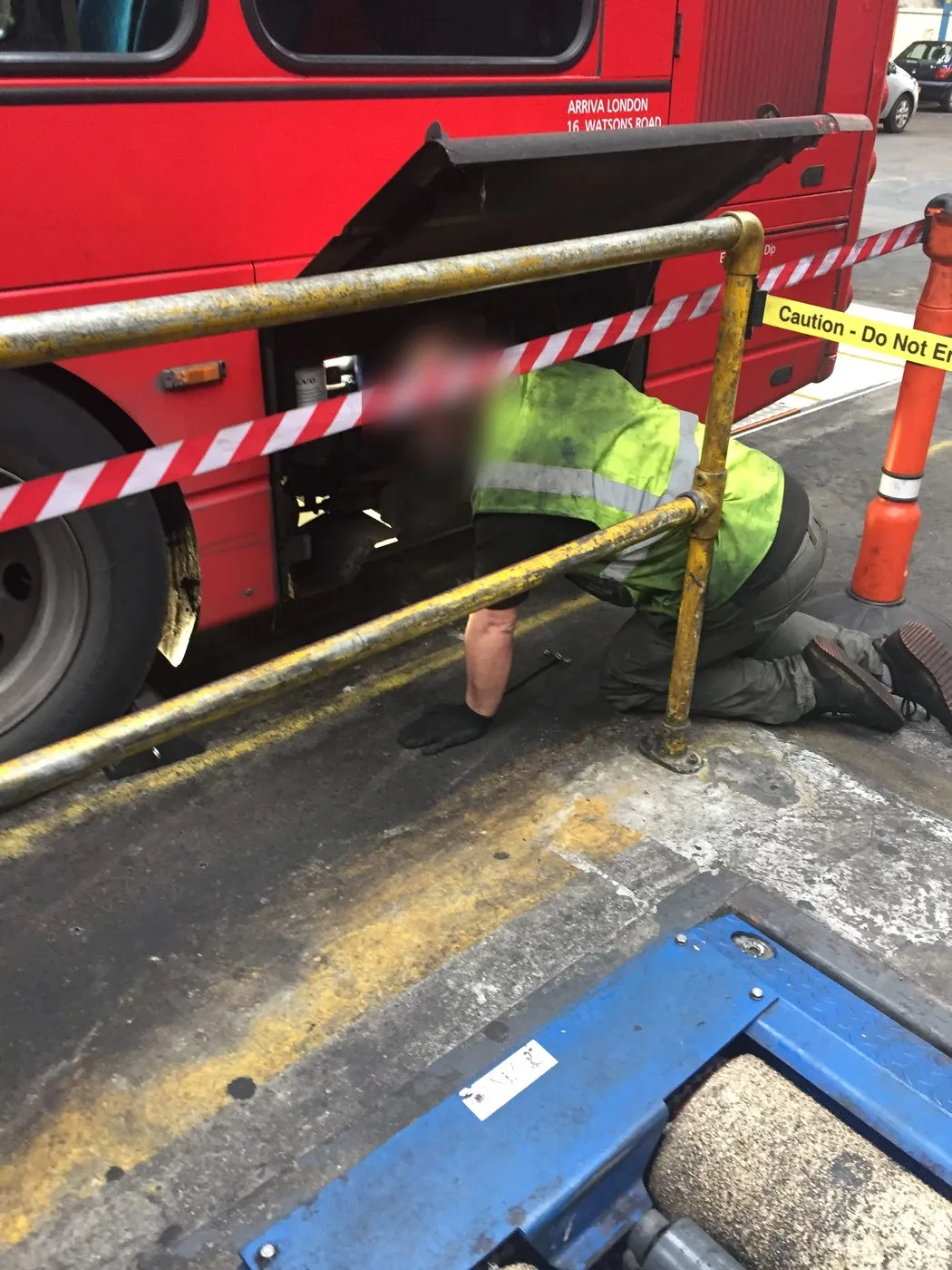
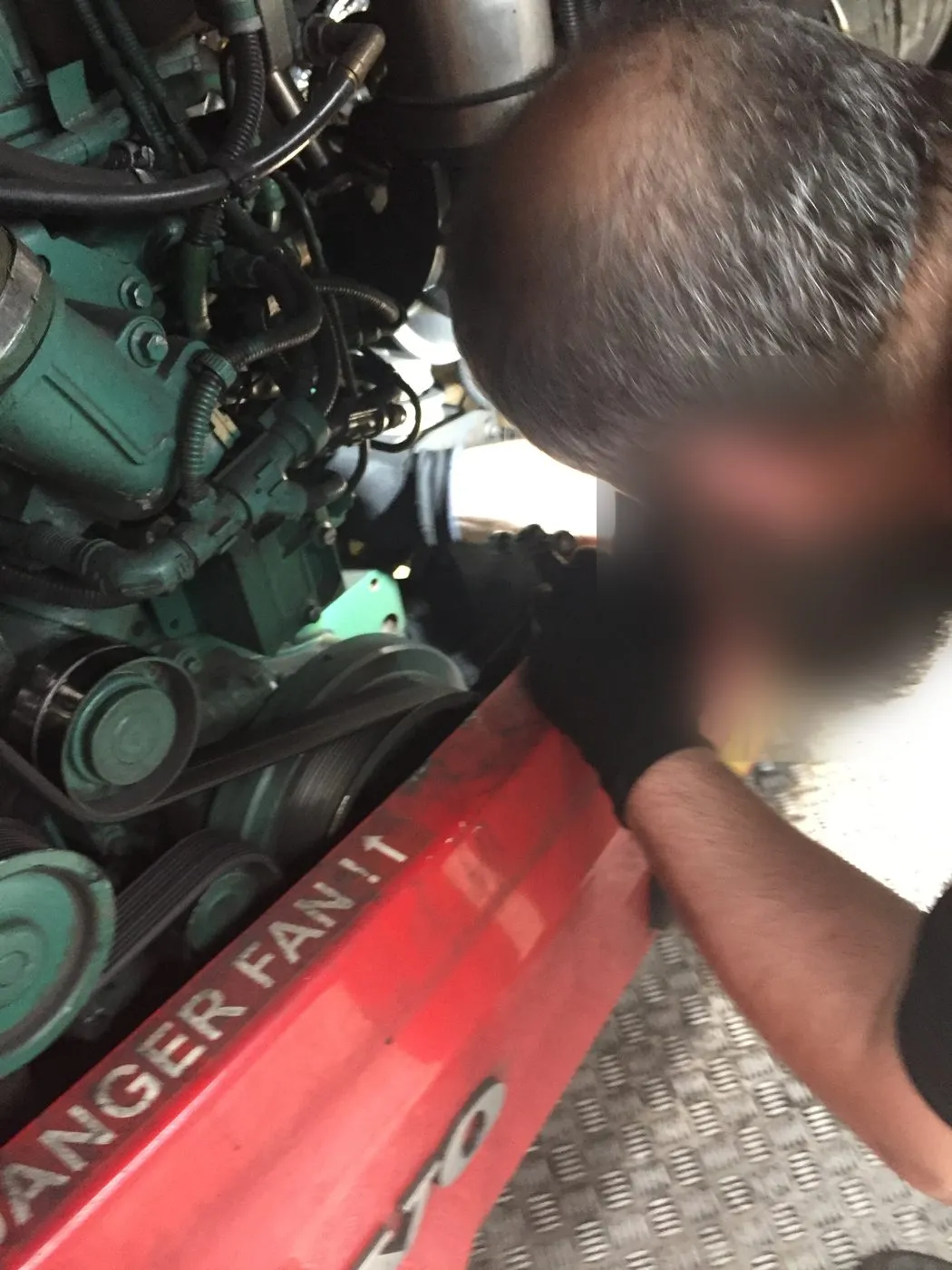
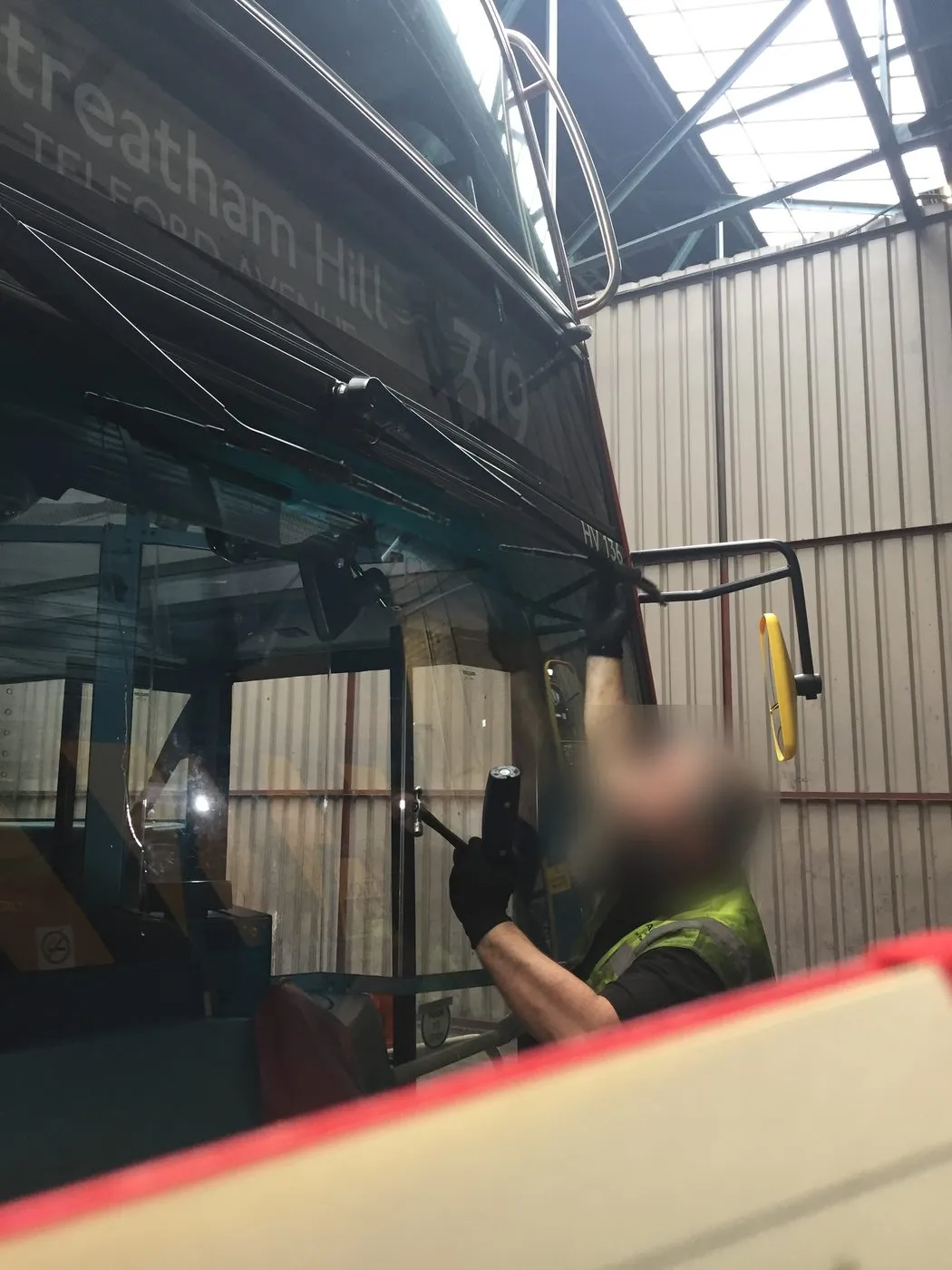
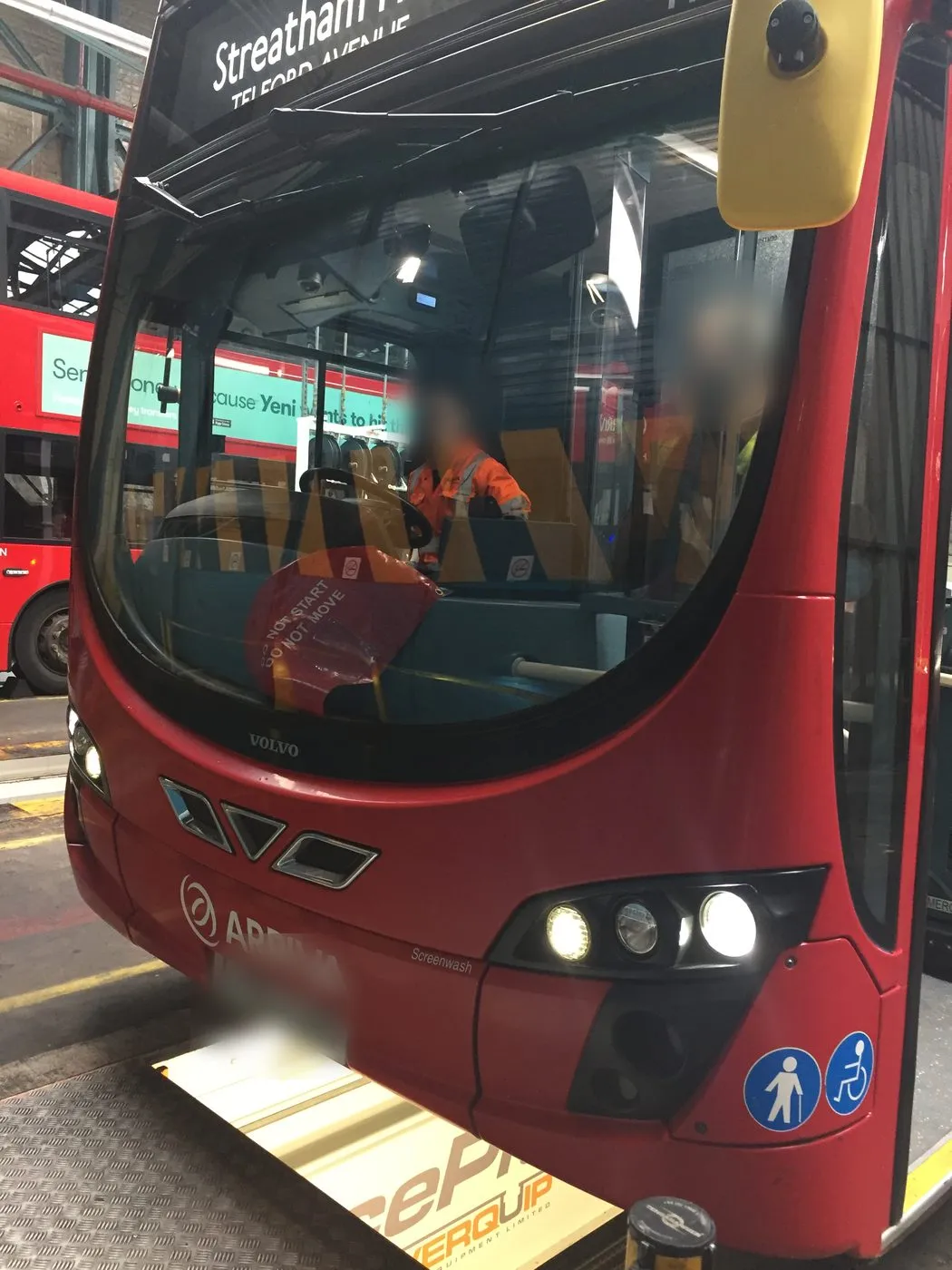
Before designing anything, I spent two days in Arriva London bus depots shadowing the engineers and auditors, following inspections from the pit to the cab and back to the office.
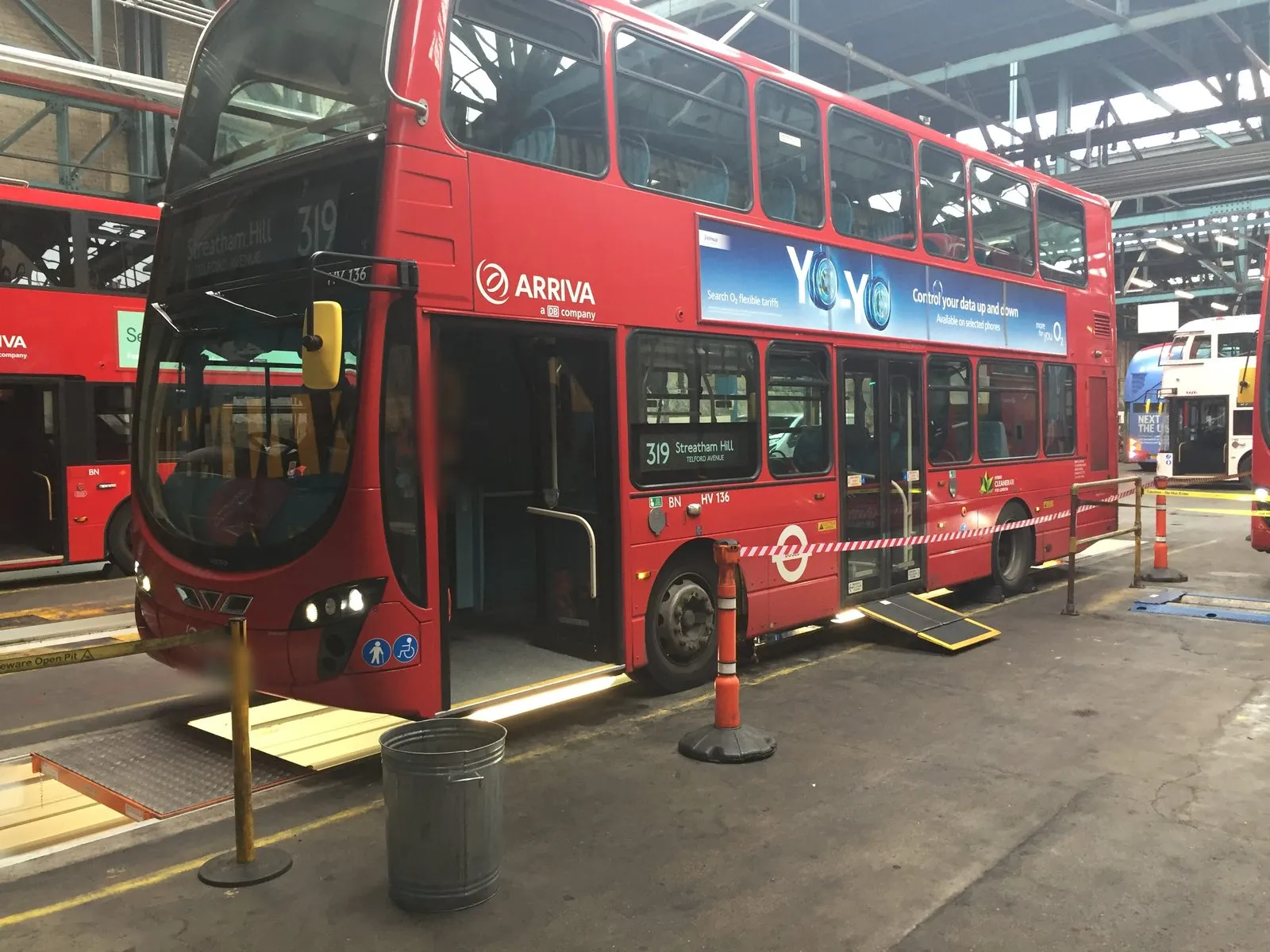
A few things I saw changed the design more than any requirements document could:
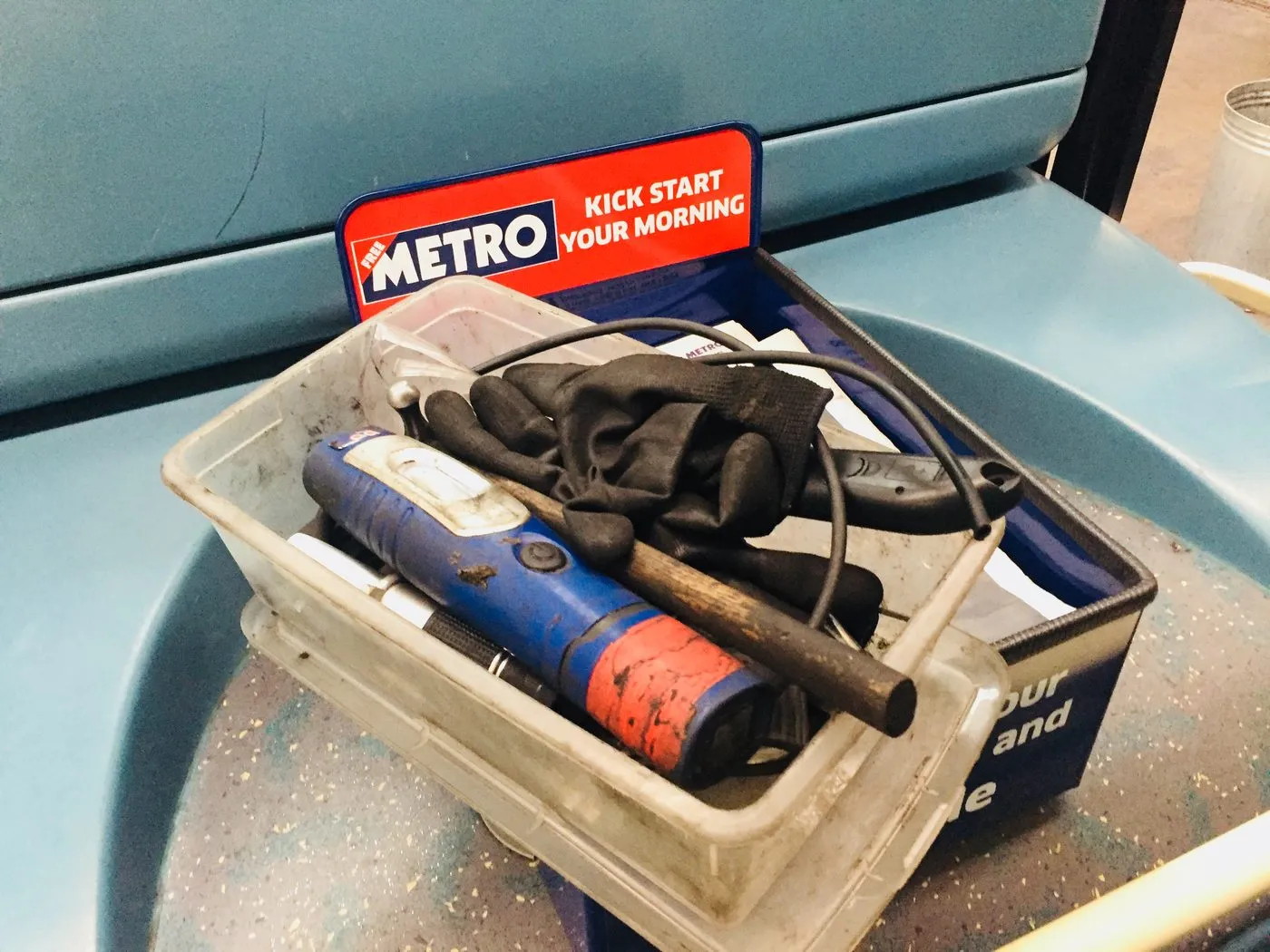
- Hands are busy and dirty. Engineers work in gloves, under the bus, in the engine bay and up on the mirrors, with a torch in one hand. Anything they tap has to be big, and typing has to be the exception.
- The order follows the bus. An inspection walks the vehicle in a set sequence, so the app needed to follow the same groups the manual and the paper sheet use, in the same order.
- Most checks pass. Ticking every passing item one by one is where paper wastes the most time. The detail only matters when something fails.
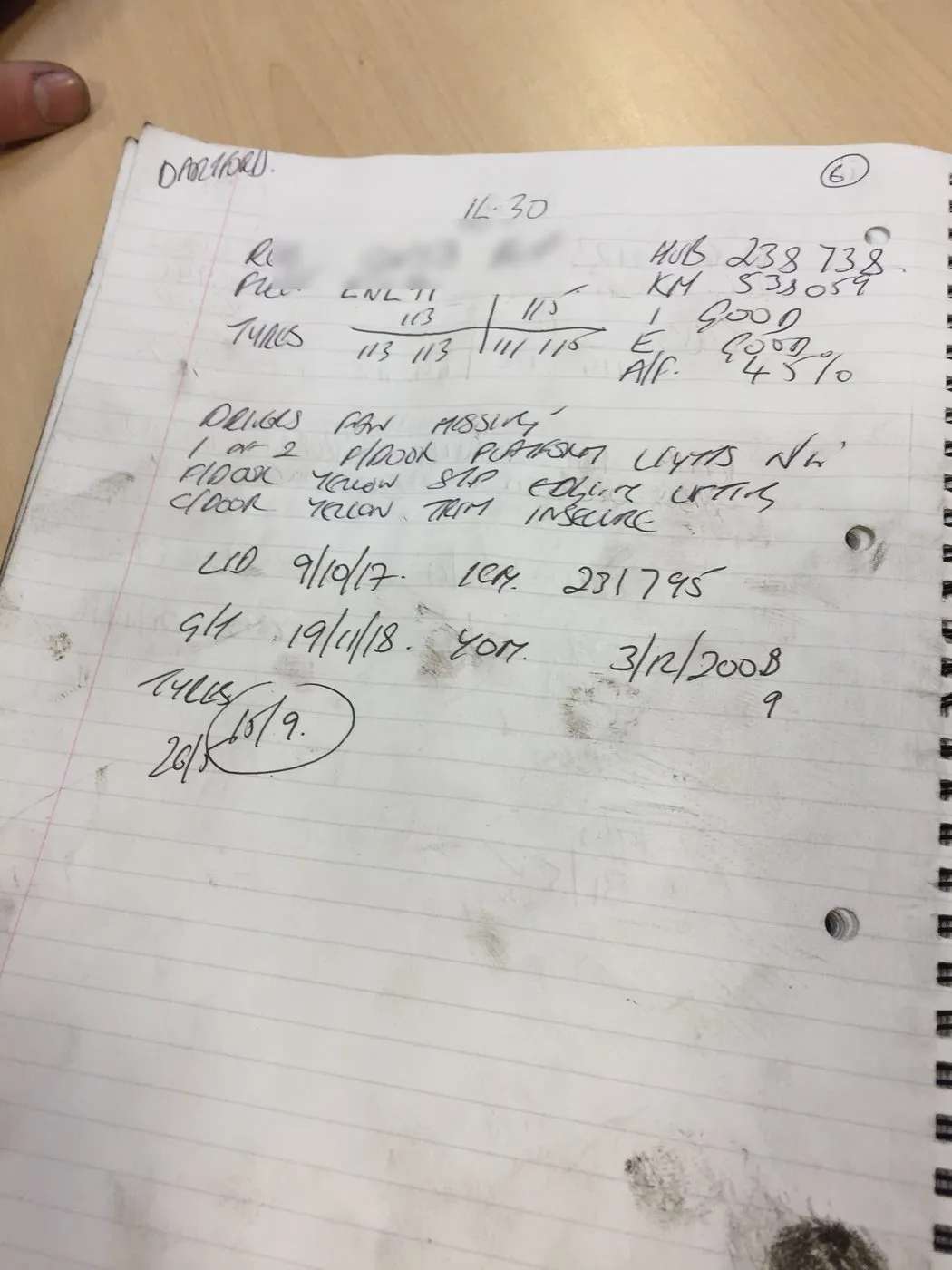
- The real record is often a notebook. Readings, defects and dates were jotted down by hand first and copied up later, which is where errors and delays creep in.
- Safety starts before the inspection. Nobody goes under a bus until the bay is safe and the vehicle can’t move.
Designing the audit on an iPad
We designed the app as wireframes and built them into a clickable iPad prototype in Marvel, so the audit team could try the flow on a tablet before anything was built. The screens below are those wireframes: the structure and behaviour, deliberately without visual design.
The app follows the shape of a whole audit:
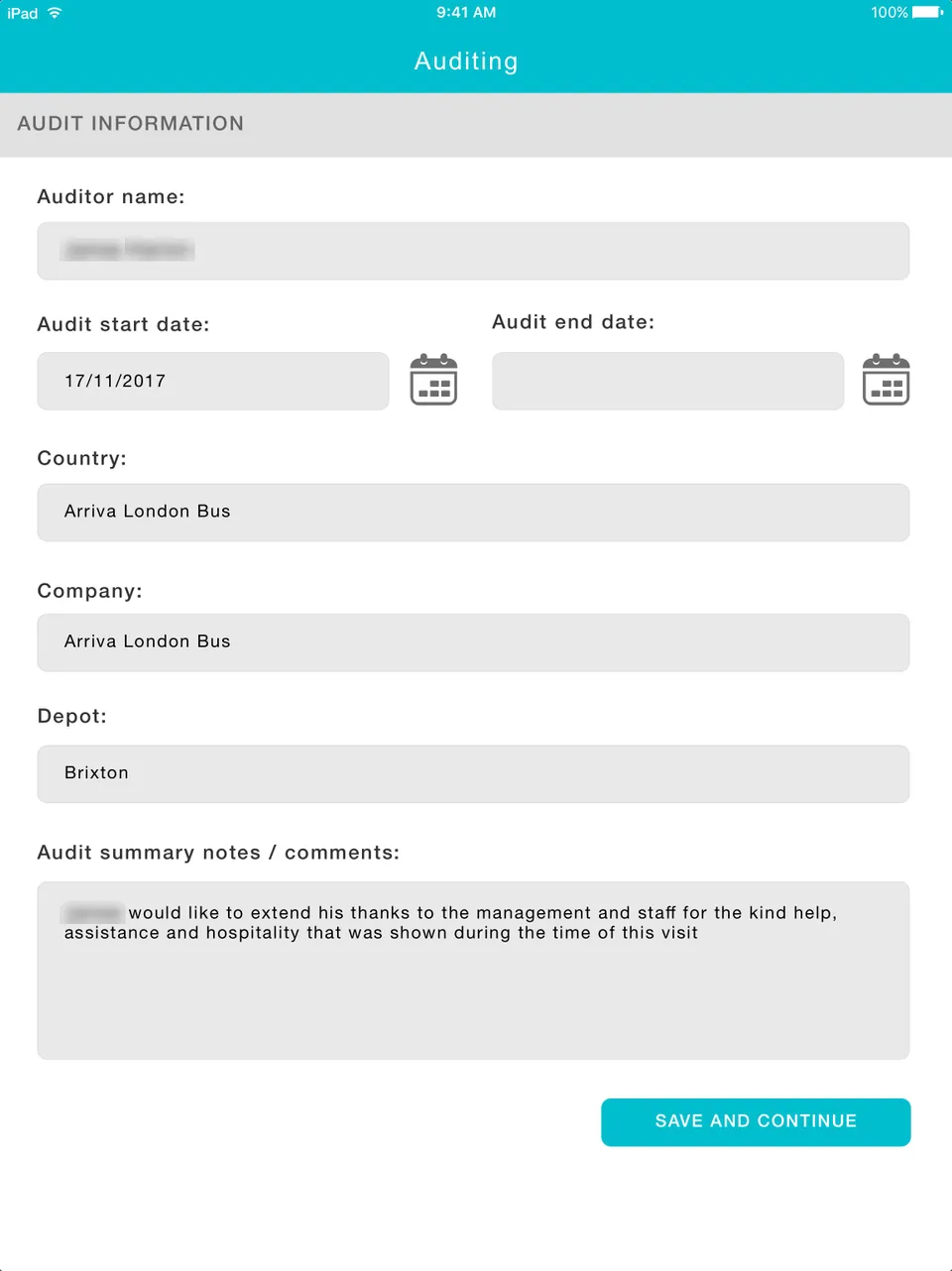
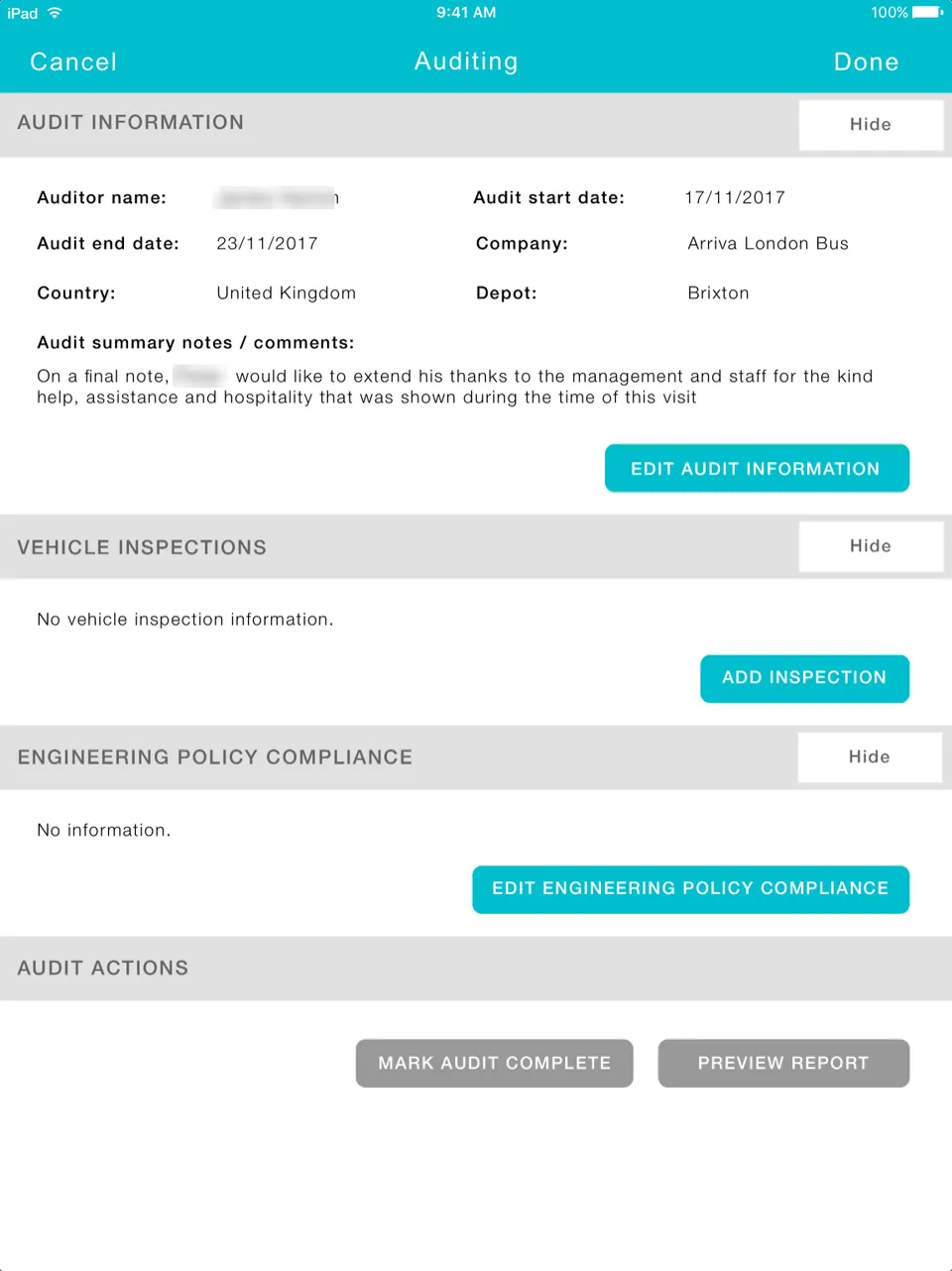
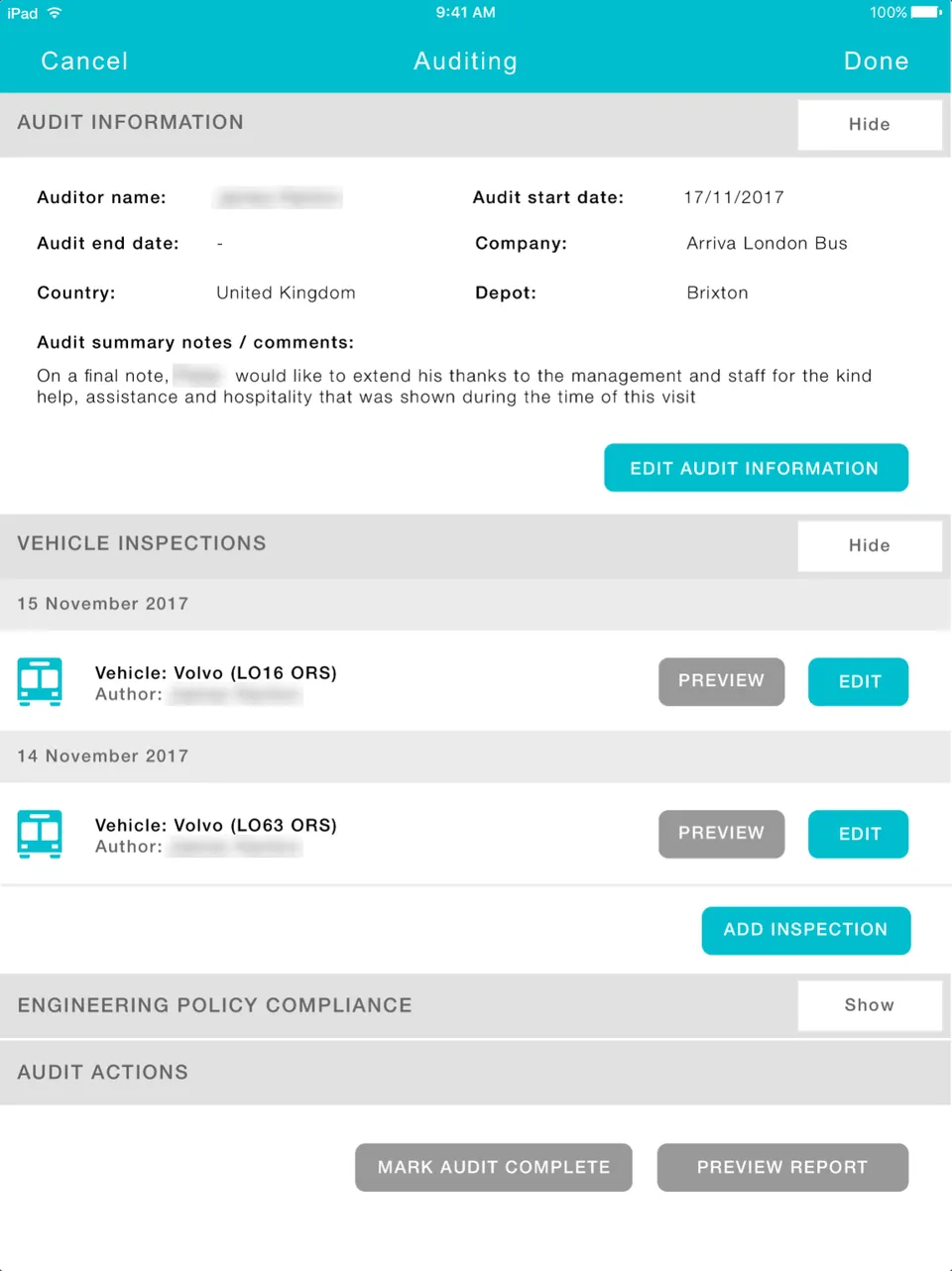
- Audit details first. The auditor, dates, company and depot are entered once, with summary notes, so every inspection and the final report inherit them.
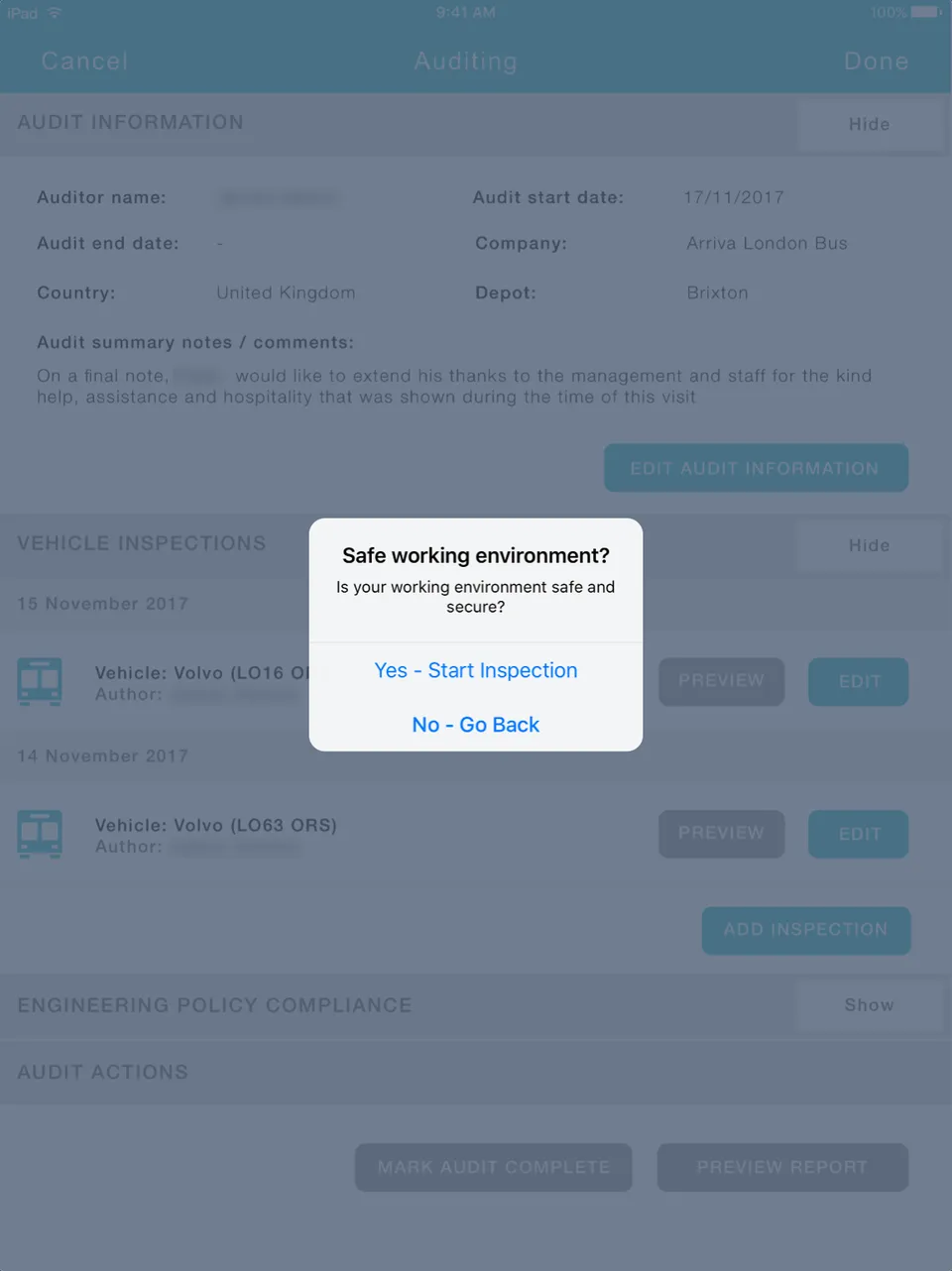
- A safety check before every inspection. Starting an inspection asks “Is your working environment safe and secure?”, with a clear way to go back. It’s the question that should be asked on the depot floor anyway, built into the flow.
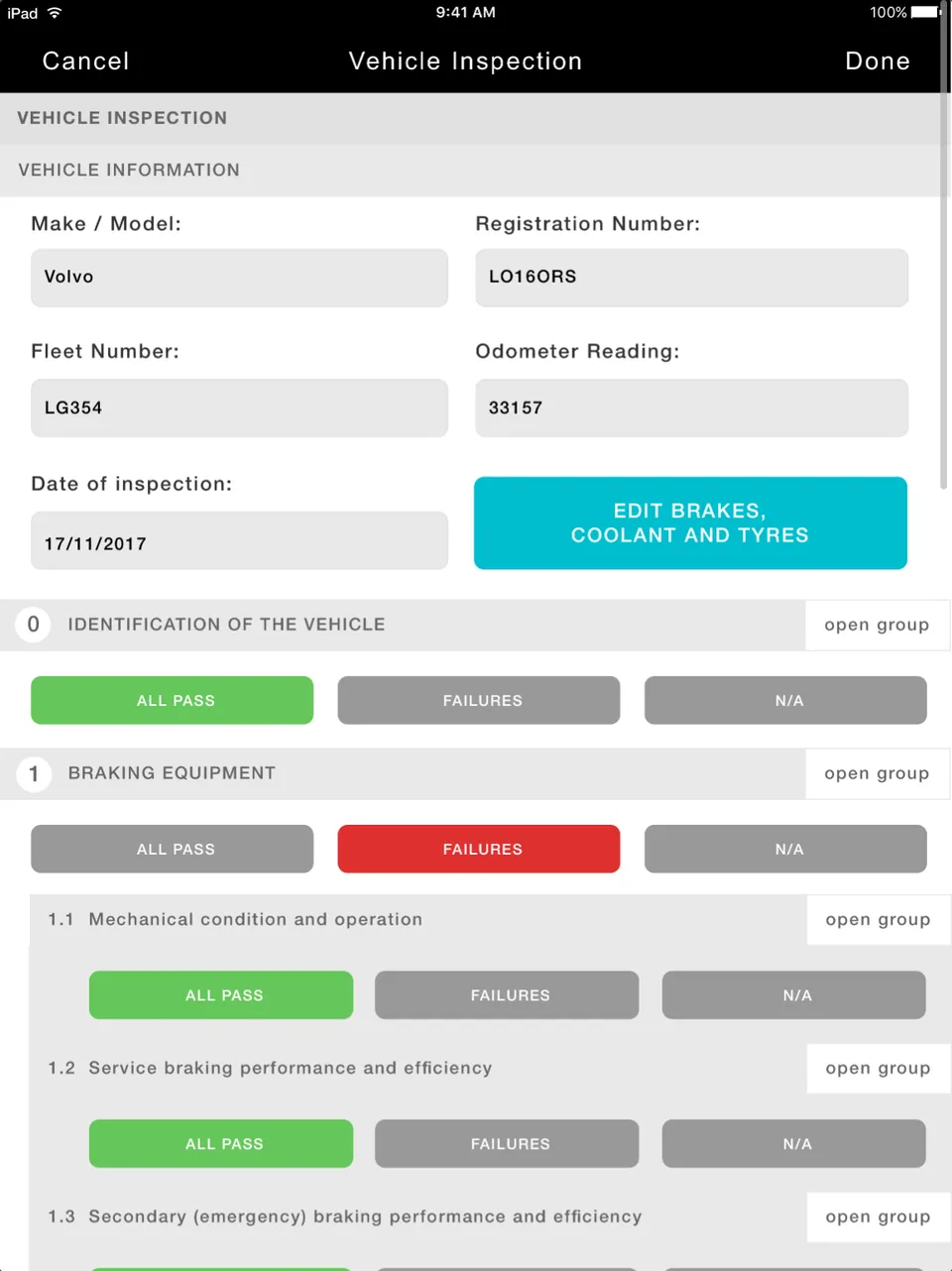
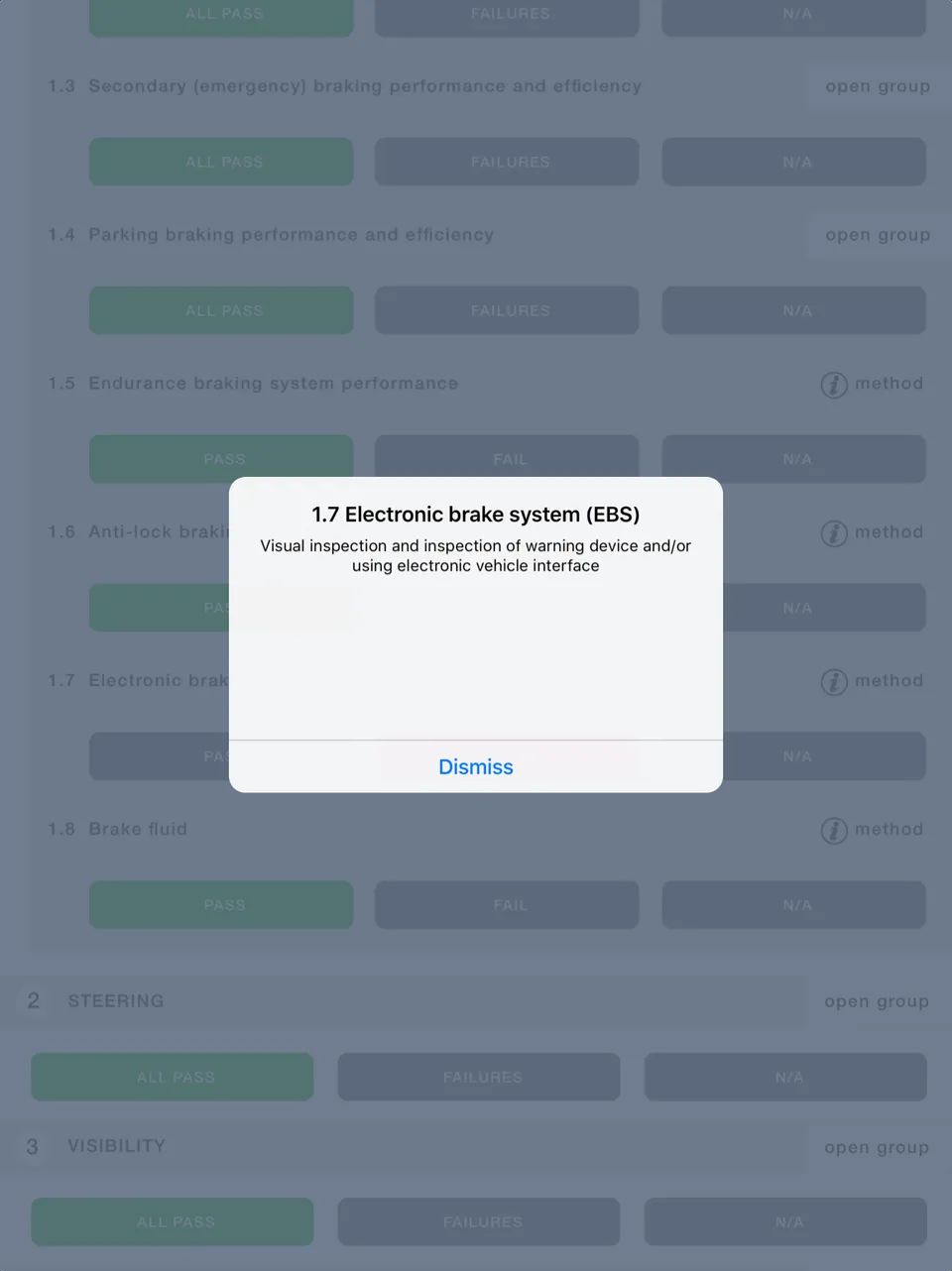
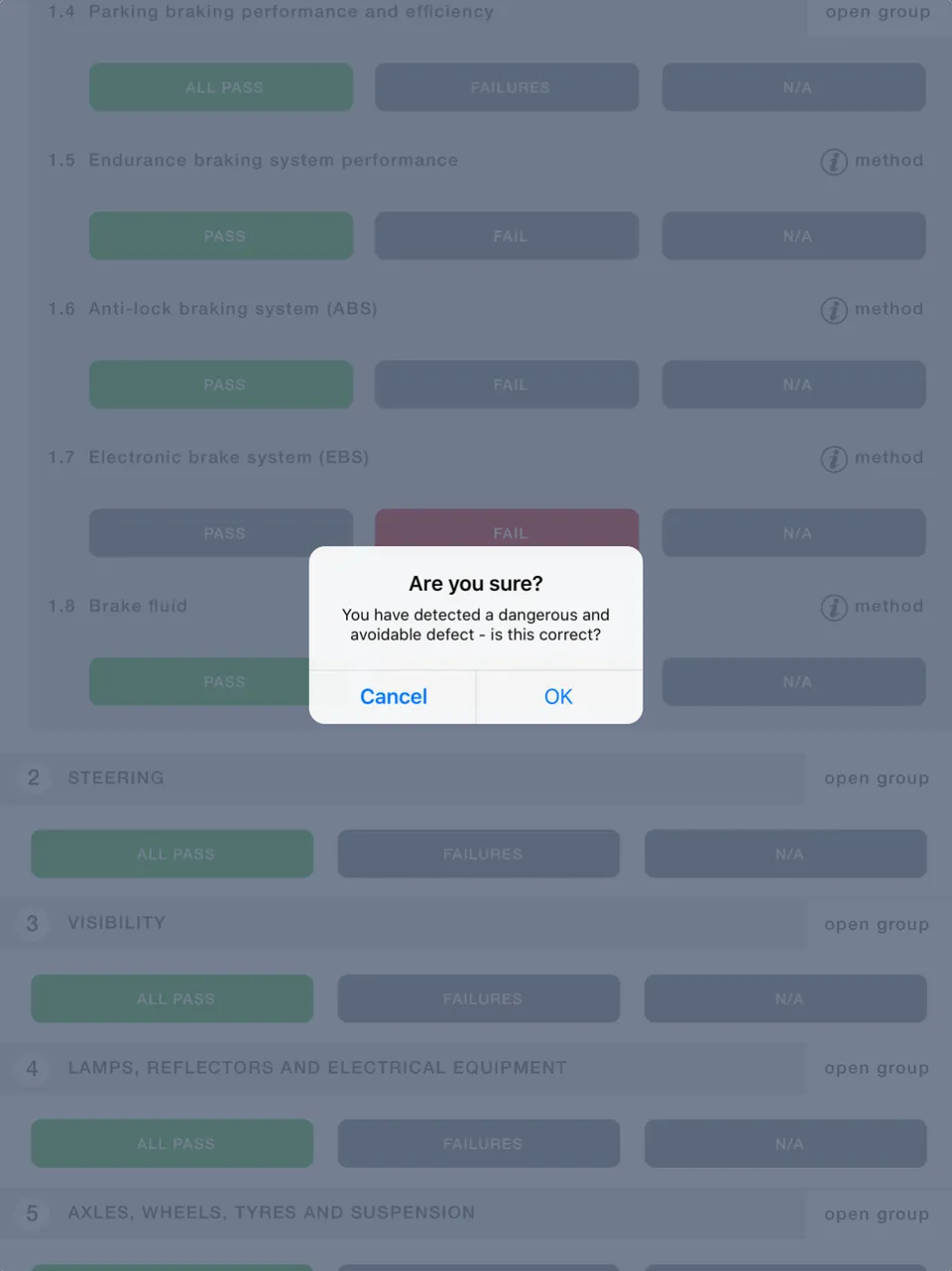
- The paper sheet’s structure, made faster. Each inspection records the vehicle (make, registration, fleet number, odometer) and then follows the numbered groups from the inspection manual: identification, braking, steering, visibility, lamps and electrics, axles, wheels, tyres and suspension. Each group has one-tap All pass, Failures and N/A buttons, so a clean group takes a single tap and only a failure opens up the detailed items.
- Photo evidence at the point of inspection. A defect can have photos attached to it there and then, so the evidence stays with the finding instead of living on someone’s phone.
- The manual on hand. Items that need a particular test have a “method” button that shows how to inspect them, such as the electronic brake system’s warning device or vehicle interface check.
- Deliberate friction for dangerous defects. Failing a safety-critical item asks “You have detected a dangerous and avoidable defect. Is this correct?” The goal was to slow down exactly the decisions that need it, and record them unambiguously.
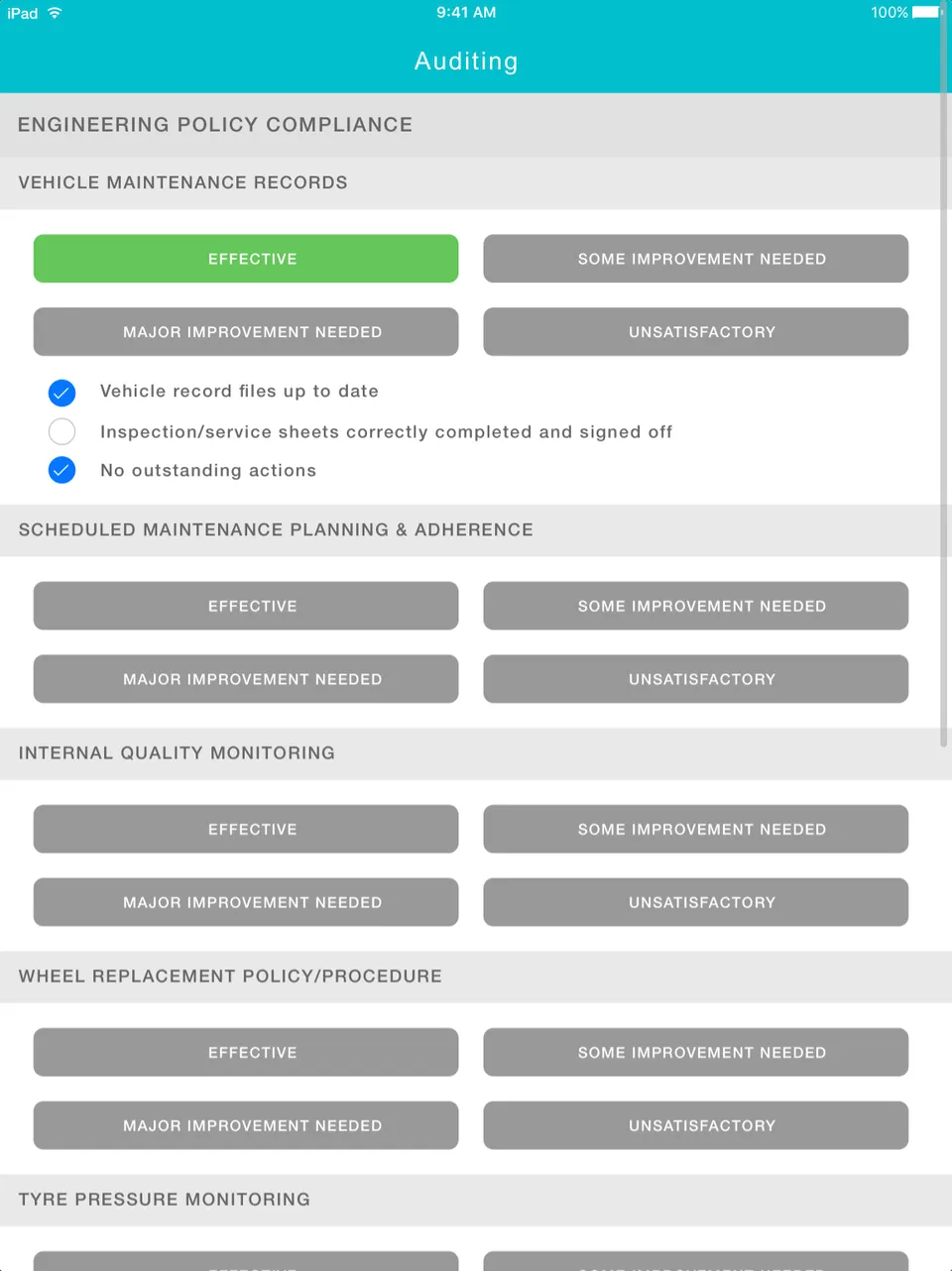
- Policy compliance beside the vehicles. The depot’s own practices, from maintenance records and scheduled maintenance to wheel replacement and tyre pressure monitoring, are rated on a four-point scale from Effective to Unsatisfactory, with supporting checks.
- A report at the end. Once the inspections and compliance ratings are in, the audit can be marked complete and the report previewed straight away, with no writing up from paper.
Why it matters
Digitising a paper safety process is only worth doing if the result is more reliable than the paper, as well as faster. Keeping the manual’s structure meant auditors and engineers recognised the inspection straight away. Passing a whole group in one tap took out most of the ticking, and the safety and dangerous-defect checks put friction exactly where it belongs. Because every finding is captured at the bus as structured data, with photos attached, rather than copied up from a notebook, the audit report is ready when the audit ends, and patterns across a vehicle, a depot or the fleet become visible in a way a filing cabinet of paper sheets never allowed.
What we learned
Two days on the depot floor were worth more than weeks of meetings. Seeing gloved hands, torches, pits and notebooks set the size of every button and the order of every screen, and it’s why the first question the app asks is whether it’s safe to start.
← Back to all case studies